ALMATY GATES COMPETITION
ALMATY GATES COMPETITION
2026
Almaty
Kazakhstan
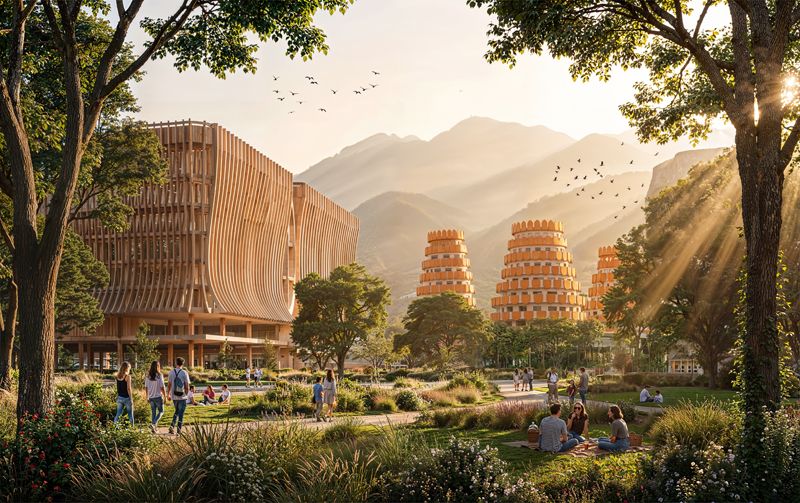
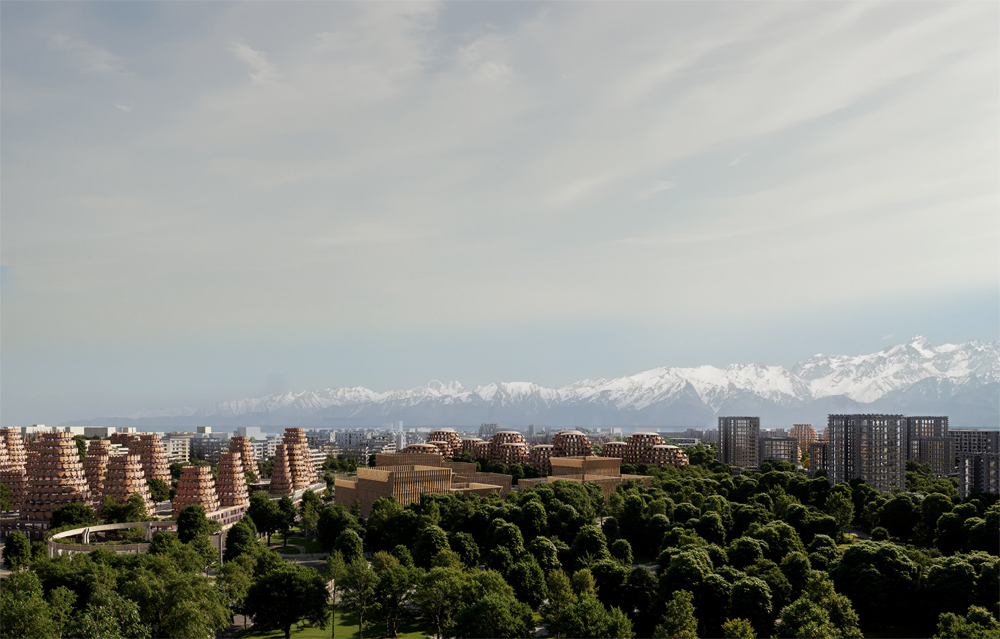
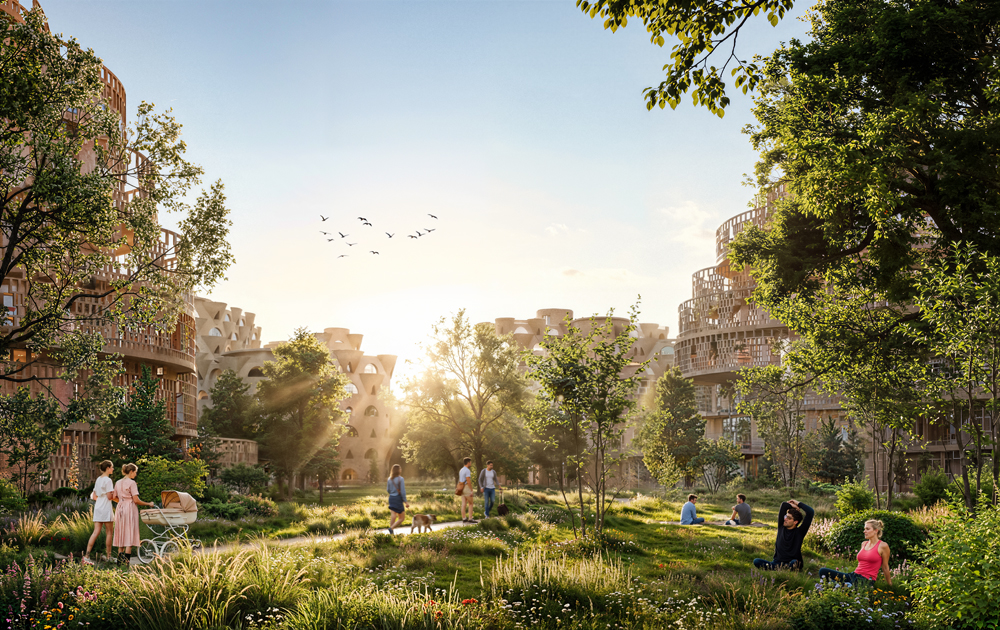
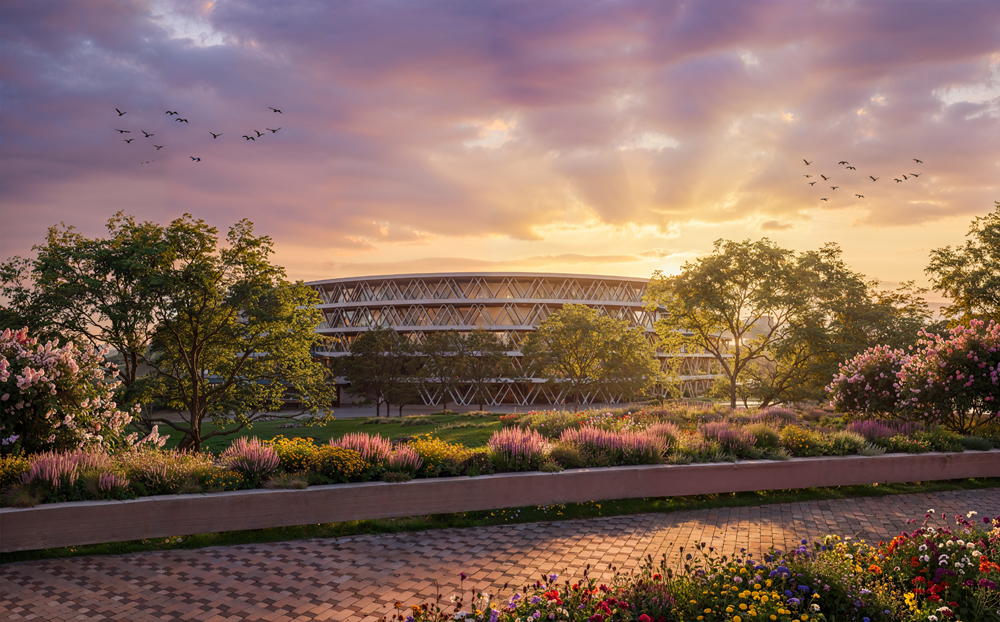
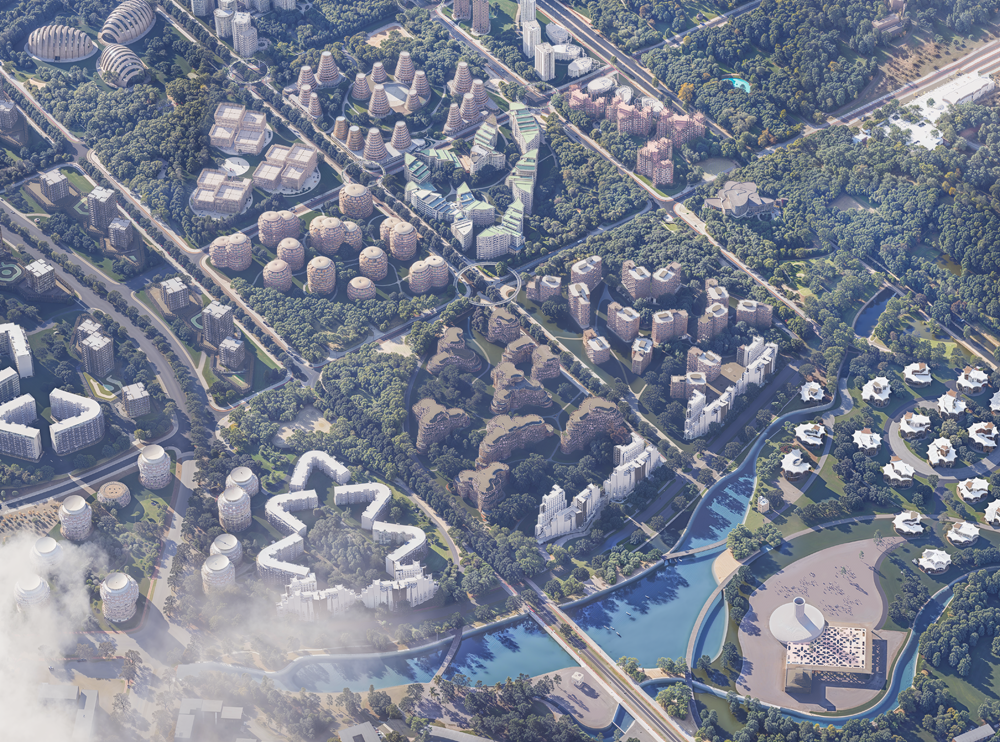
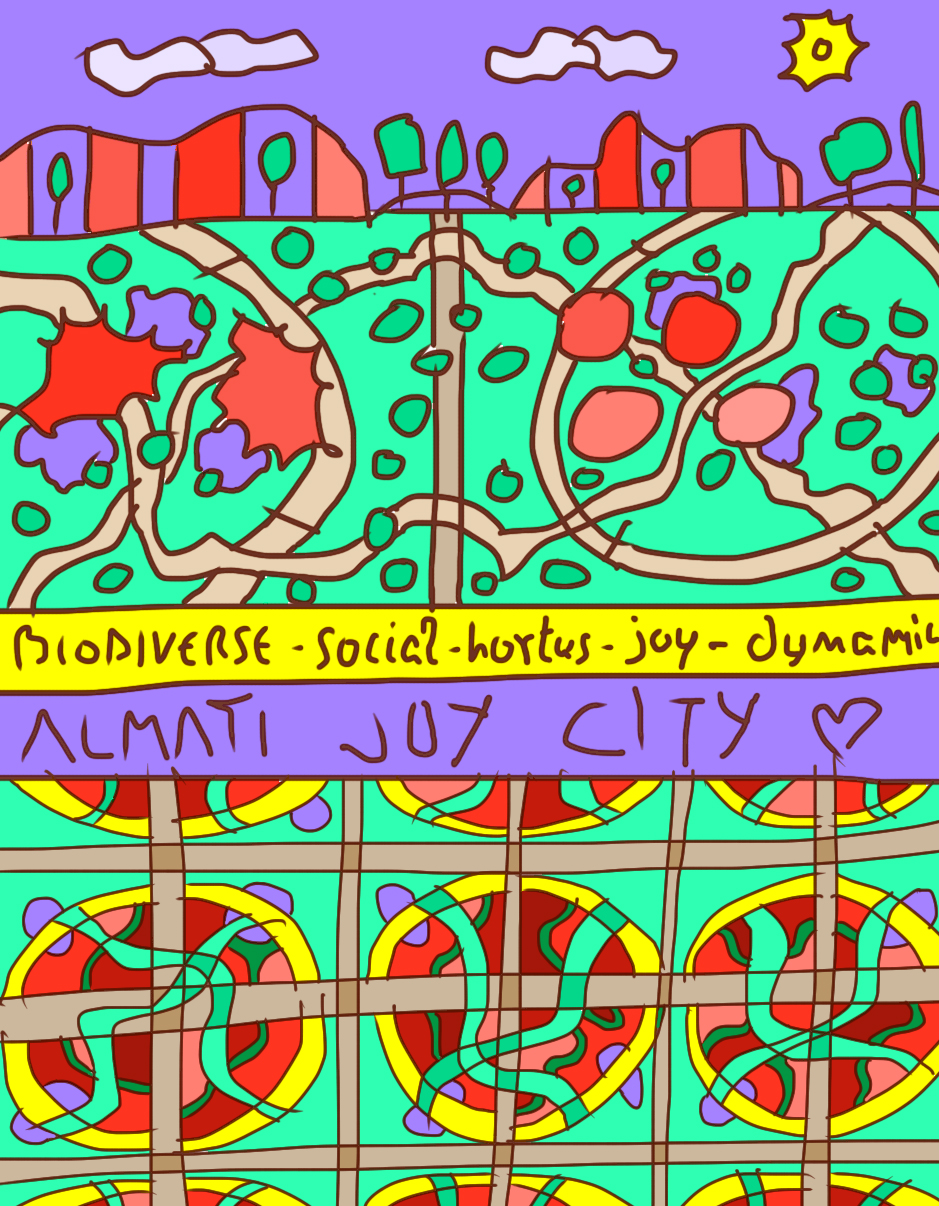
In this portion of the city, articulated into small clusters that form new neighborhoods, each area takes on a strong identity, defined by distinctive characteristics yet unified by a universal language capable of conveying a sense of belonging to the place and its cultural identity. The spaces are designed to reflect the ambitions of those who inhabit them, through a delicate and gradual departure from the mechanical, embracing nature as an integral element of the design process.
The biodiversity of the site guides the choice of vegetation and welcomes introspective processes of deep connection with the self. The seasonal variability of natural elements introduces changing forms, colors, scents, and textures, marking the moments of the year like a biological clock—more functional and authentic than the technological one commonly used.
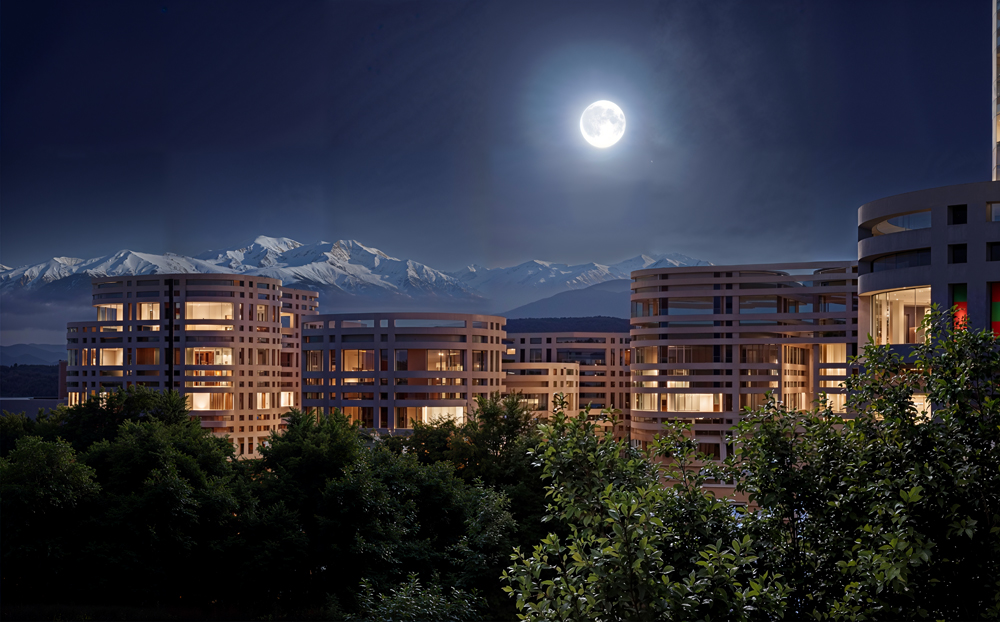
Nature assumes emotional roles: it instills tranquility, reduces stress, and contributes to the resilience of the neighborhood. Natural elements also serve functional purposes: permeable soil, for example, absorbs rainwater and prevents flooding, integrating ecological and constructive functions. Natural light flows through the spaces and casts shadows across varying heights, distinguishing public, private, and intimate areas. In this way, environments respond to the changing needs of daily life without requiring the artificial creation of emotionally differentiated spaces.
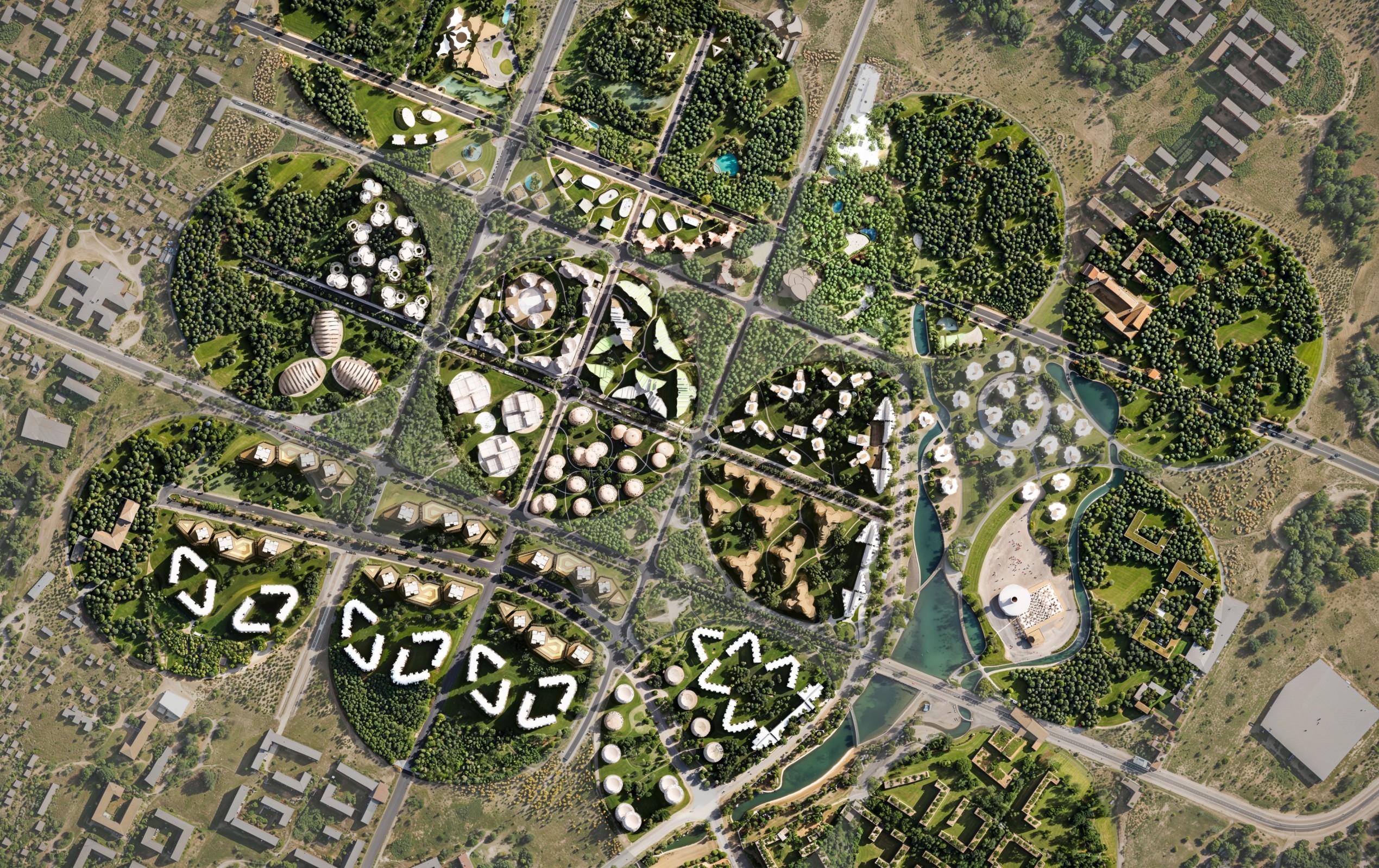
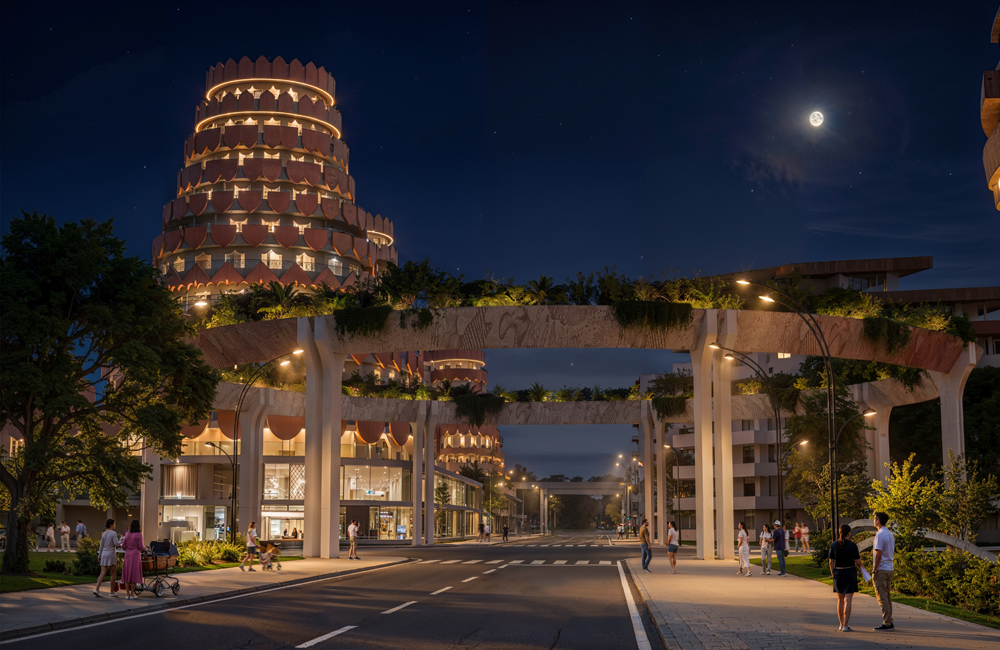
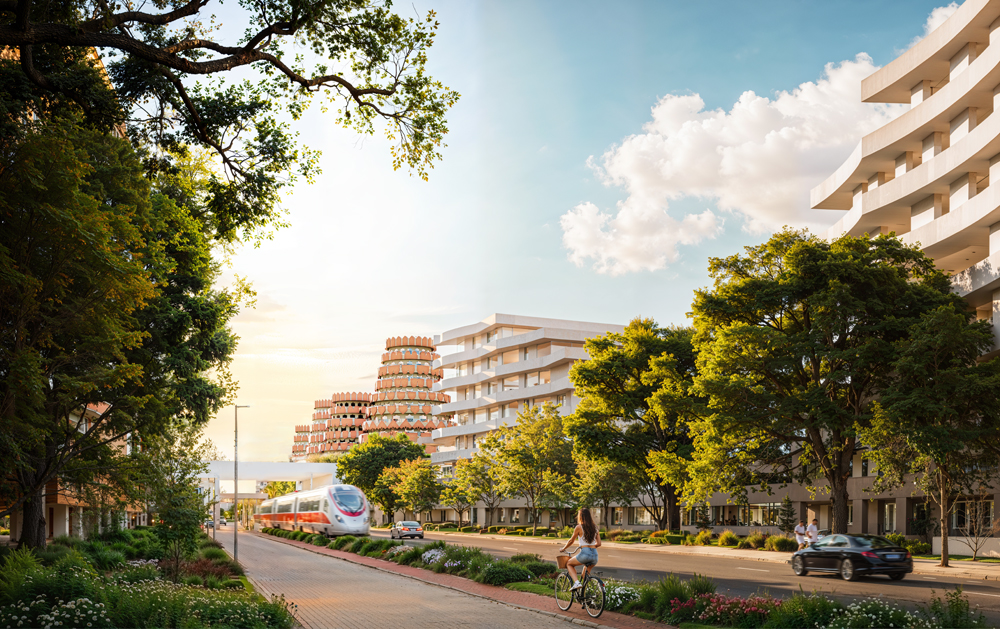
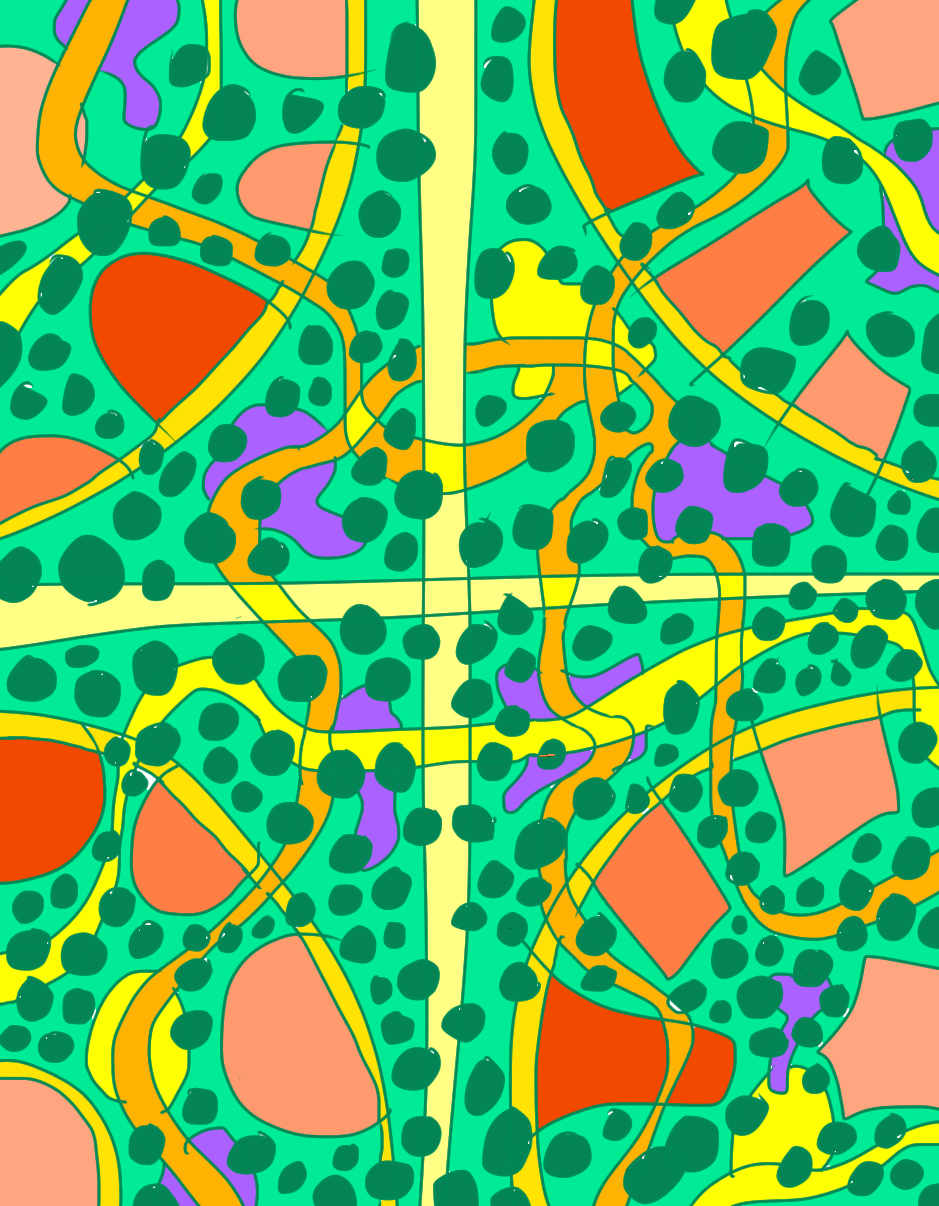
Complete visual permeability, defined by diagonal views between neighborhoods and pathways, creates an open and oxygenating space. Pedestrian areas are clearly separated from vehicular ones, facilitating the understanding and exploration of the different environments. Likewise, the circularity of the paths supports orientation, stimulates the proprioceptive state, and fosters an immediate and natural relationship with the environment, generating psychophysical well-being.
Making escape routes clearly visible responds to an intrinsic and ancestral need for safety: a neuroarchitectural principle translated into a language that reflects both local and universal values.
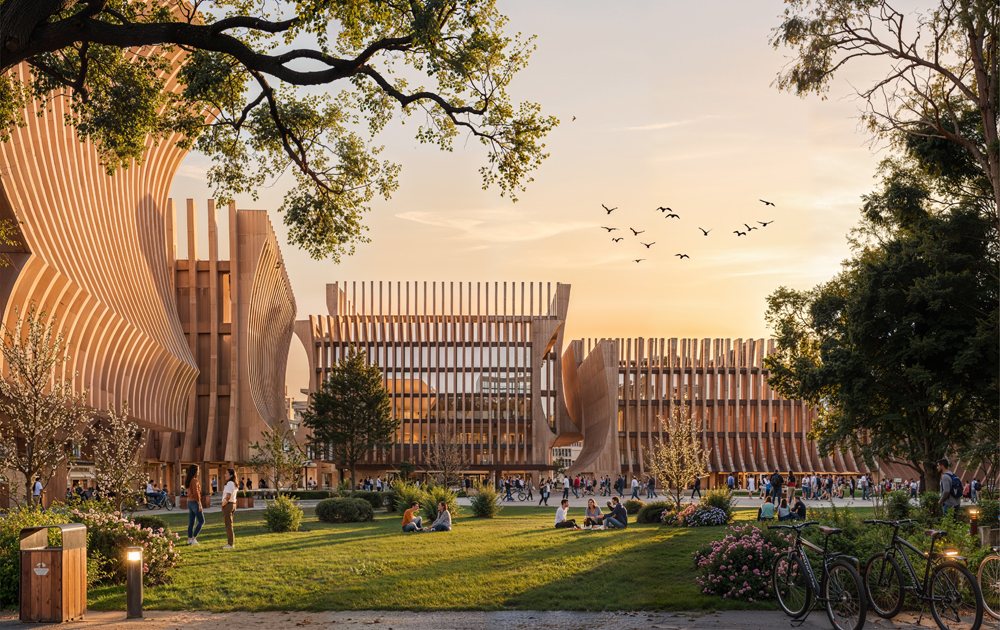
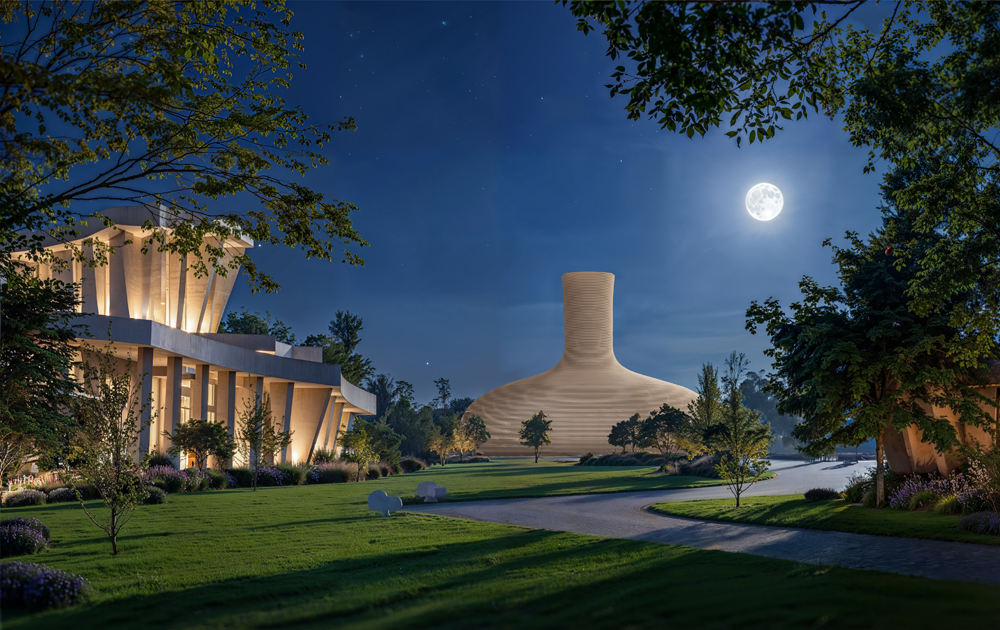
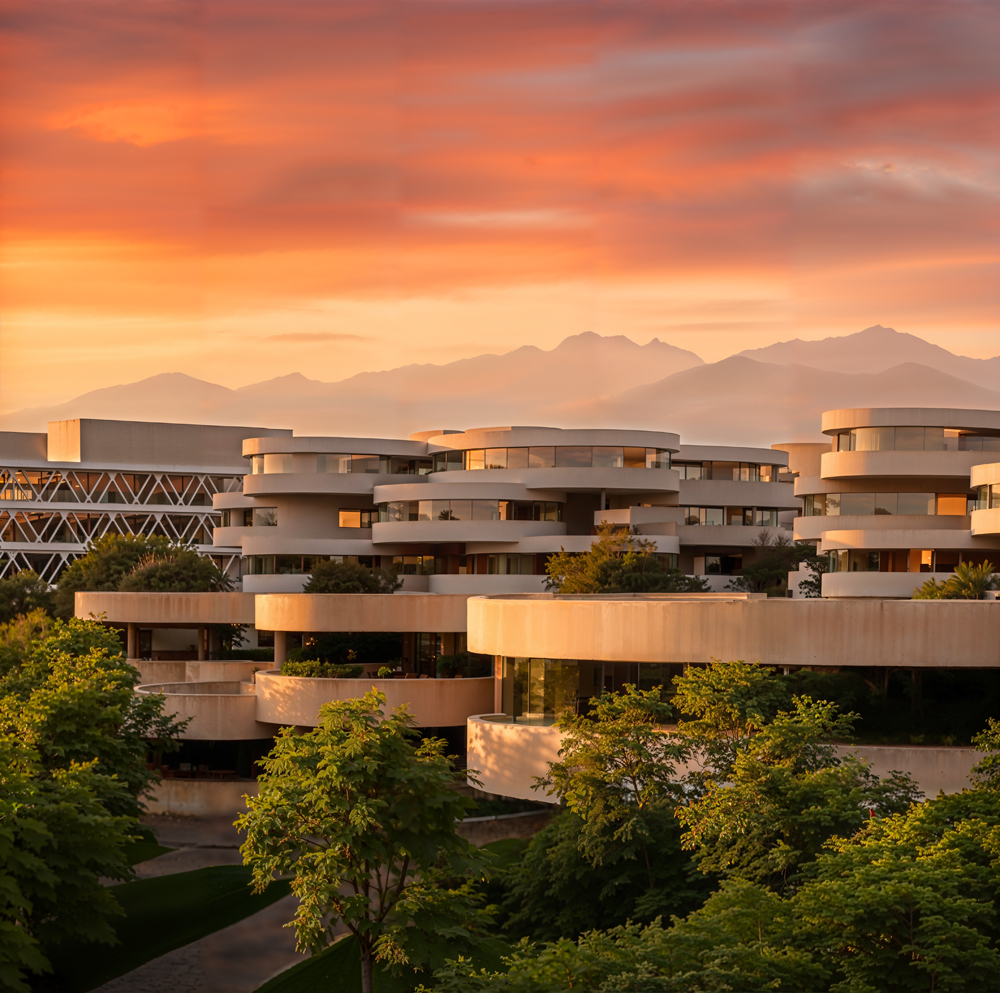
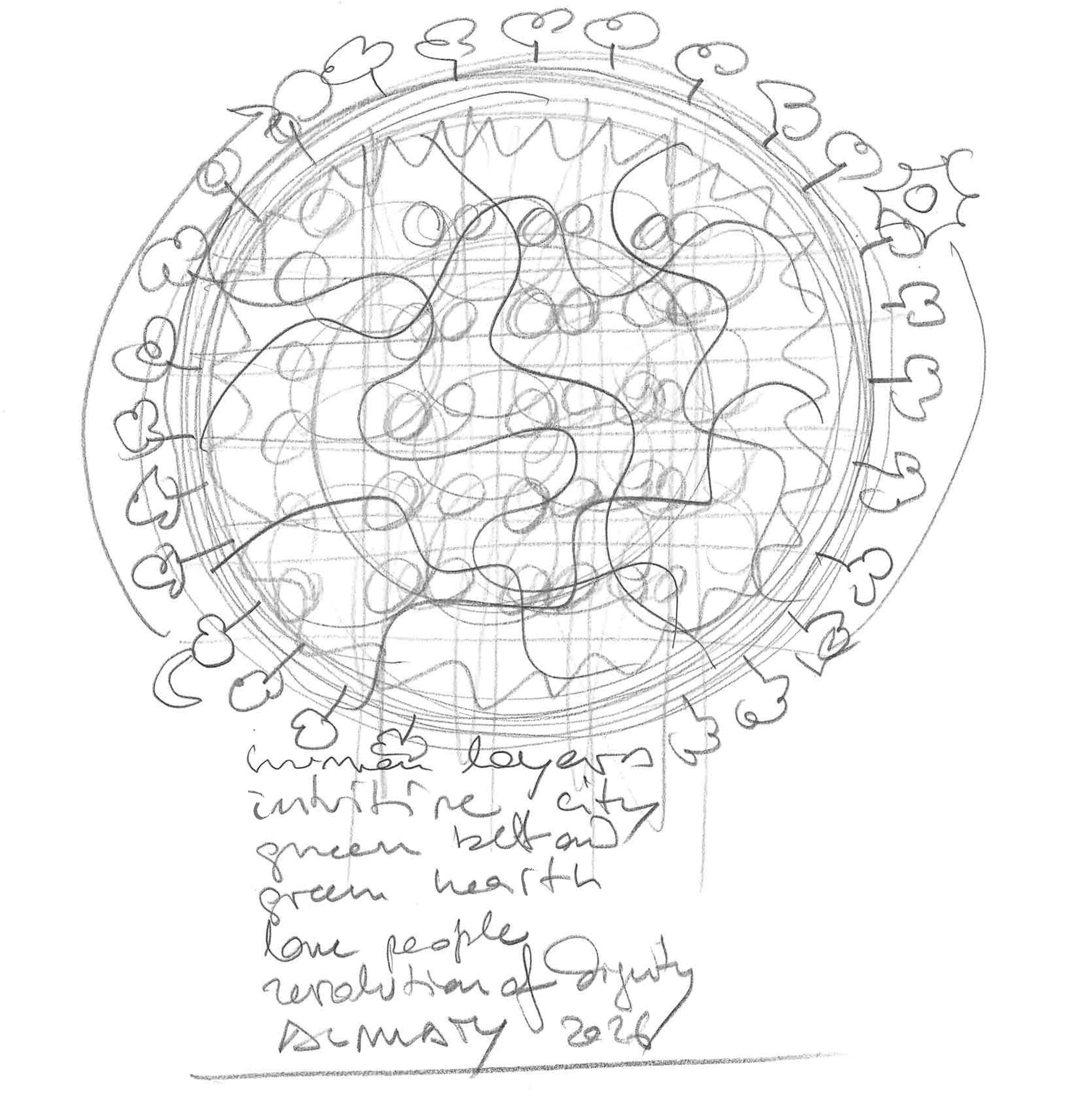
The circular form evokes familiarity: we are biologically drawn to soft geometries, which we associate with purity and calm. Free forms, based on precise geometries, convey stability and security, welcome spontaneous encounters, and offer organic and intuitive orientation. These aspects encourage genuine, sincere, and essential social interaction, especially in today’s world—where individualism and personal ambition often create the illusion of being able to detach oneself from one’s social context without consequences for personal well-being.
Human beings, by nature, are social creatures: they find balance, meaning, and quality of life in relationships with others.
It is a return to humanity, to sociality, to the world. Feet trace paths of life, writing stories on streets conceived to explore emotions, reflections, and experiences. The mind feels free to move, to discover what surrounds it and what it holds deep within.
Proprioception is welcomed and accompanied along a path where nature and the built environment merge in an interplay of discovery and innovation. Today, speaking of innovation does not mean looking only at technology: true innovation in architecture lies in studying and applying principles that allow built space to acquire a value that goes beyond mere functionality. Innovation means creating places that do good—places that instill comfort and well-being in those who will inhabit them. Innovation means designing for people.